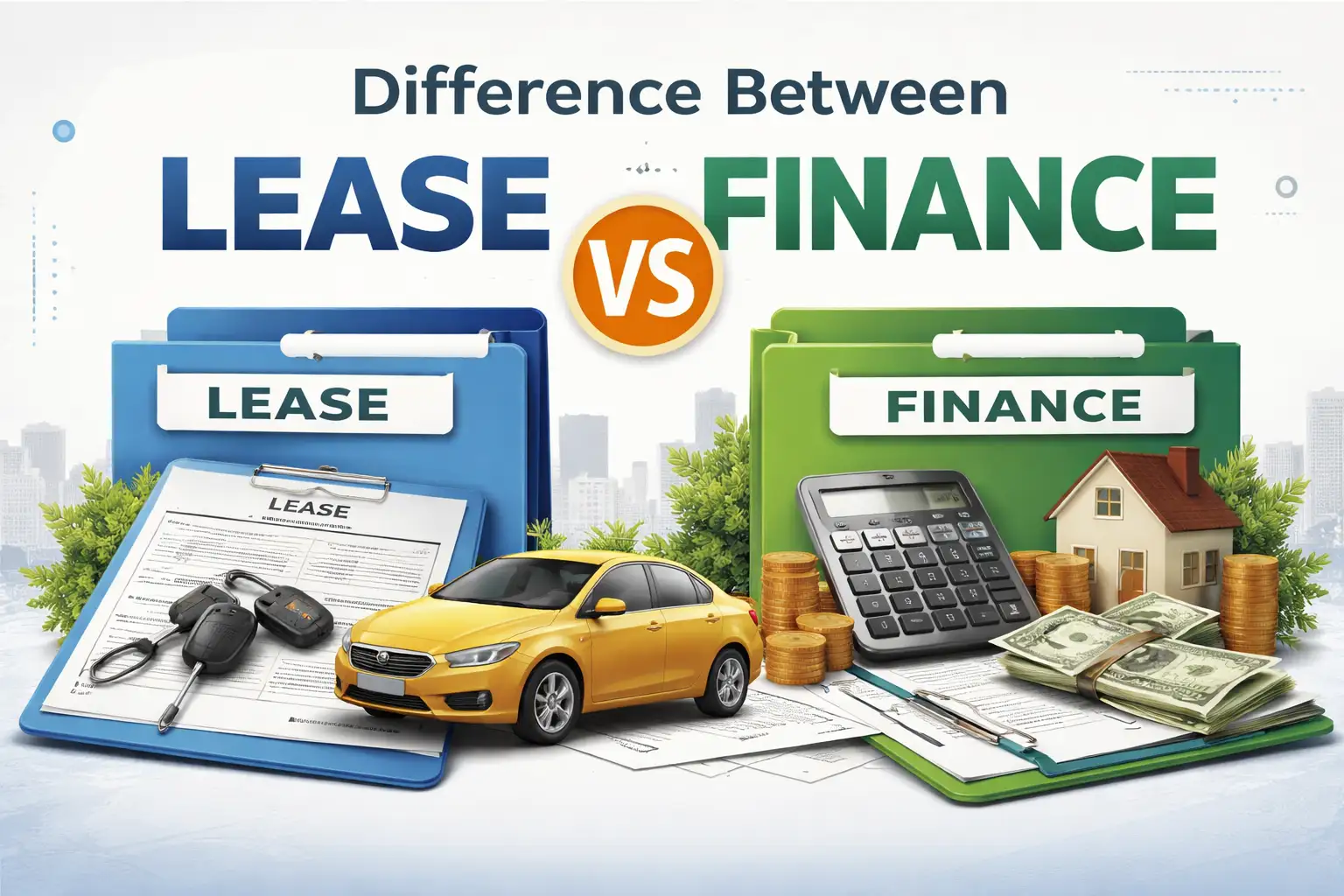
Leasing is like renting-you’re essentially paying for the use of something, without owning it. It’s commonly used for vehicles, equipment, or even real estate.
When you lease, you sign an agreement that gives you access to the asset for a set period, typically with lower monthly payments than a purchase.
At the end of the lease, you return the item, renew the lease, or buy it for a residual value.
What is Financing and How Does It Work?
Financing involves borrowing money to buy something, often through a loan or a credit arrangement. You own the asset once the loan is paid off. Financing typically involves higher monthly payments than leasing, but you’re building equity with every payment.
Example:
When financing a home, you take out a mortgage loan, making monthly payments until the home is fully paid off, at which point you own the property outright.
Key Differences Between Lease and Finance
The main difference is ownership. With leasing, you never own the asset, but with financing, you do. Leasing usually involves lower payments, but financing allows you to eventually own the asset and build equity.
Tip:
If you plan to use the item long-term and want to build equity, financing might be your best option. Leasing is ideal for short-term use or if you prefer lower monthly costs.
Financial Implications – Lease vs. Finance
Leasing may seem cheaper in the short term, but if you lease multiple times, it can add up to more than purchasing. Financing, while resulting in higher monthly payments, ultimately leads to ownership, which can provide long-term value.
Example:
Leasing a car for 3 years might cost $300/month, but after five leases, you may have paid more than the cost of buying the same car and keeping it for ten years.
Maintenance and Wear & Tear
Leased items often come with warranties or service packages, reducing maintenance concerns. Financing an asset, however, leaves you responsible for upkeep once any warranties expire.
Tip:
If maintenance costs are a concern, leasing might offer more peace of mind. However, if you’re willing to take on some extra responsibility, financing could be the way to go.
Tax Implications – Leasing vs. Financing
Leases can sometimes be more advantageous for businesses, as they often qualify as a deductible expense. However, for individuals, financing may offer tax advantages if the asset is eligible for depreciation.
Example:
If you lease a vehicle for business purposes, you may be able to deduct the lease payments on your taxes, which isn’t possible with financed vehicles unless they’re used solely for business.
Flexibility – Which Option Offers More Control?
Leasing tends to offer less flexibility, especially if you want to end the agreement early. With financing, you have full control over the asset once it’s paid off, and you can choose to sell or refinance it as needed.
Tip:
If you value flexibility and ownership, financing is a better option. Leasing may limit your ability to customize or change the asset before the term ends.
What Happens at the End of the Lease or Finance Term?
When your lease ends, you typically return the item, though you may have the option to buy it. With financing, you own the item once the loan is paid off. If you need to upgrade, you can sell the item or trade it in.
Example:
After a 3-year car lease, you can walk away from the car without owing anything further, whereas if you finance the car, after 5 years of payments, it’s yours to keep or sell.
What Type of Assets Can You Lease or Finance?
You can lease or finance a variety of assets, including cars, homes, equipment, and even furniture. The key difference is that financing gives you full ownership after the loan term, while leasing keeps you as a “temporary” owner.
Example:
You might lease a copier for your office for 3 years, but if you need equipment for a long-term project, financing could be better, as you’ll eventually own it.
Which Is Better for Personal Finance?
Leasing may be better for those who prefer lower upfront costs and don’t mind giving up ownership. Financing, on the other hand, suits those who are ready to invest in something for the long haul and build equity.
Tip:
For large, long-term purchases (like homes or cars), financing is often the smarter choice. For shorter-term needs (like tech gadgets or vehicles), leasing could be a good fit.
FAQs
- What is the main difference between leasing and financing?
Leasing means you pay to use an asset but don’t own it. Financing means you borrow money to buy an asset and eventually own it.
- Is leasing better than financing?
It depends on your needs. Leasing can be cheaper monthly, but financing lets you build equity and eventually own the asset.
- Can I lease a car for business use?
Yes, leasing a car for business purposes can often lead to tax deductions for your business.
- Do I pay taxes when leasing?
Yes, you may need to pay sales tax on the lease payments depending on your location and the type of asset.
- Can I buy the item at the end of a lease?
Many leases offer an option to buy the item at the end of the lease term for a predetermined price.
Conclusion:
When deciding between leasing and financing, consider your long-term financial goals. Leasing can be a cost-effective option for short-term needs with lower payments, but financing allows you to eventually own the asset and build equity. Evaluate your personal or business requirements, and choose the option that aligns with your financial strategy.
Actionable Tip:
If you plan to hold onto an asset for a long time, financing is the better choice. But if you enjoy upgrading frequently or need lower monthly payments, leasing might be right for you.